

Many people seek the ideal cosmetic solution, even when their diet and daily oral-hygiene routine suggest the results won’t last. Delivering what people want rather than what they need puts dentistry—and long-term dental health—at risk. Both cosmetic and essential care are important, but the current system often rewards treatments people can afford rather than those that offer the best outcomes for the population.
The irony is sometimes the expensive cosmetic treatment requires more expensive maintenance, and reduced the lifetime of the tooth itself.
Although materials have improved, experience still shows that gold remains the gold standard, and that traditional silver NHS fillings often perform better in the long term than the white fillings that replace them. Creating the ideal conditions for long-term oral health is challenging, and we need a system that encourages prevention and supports treatments that genuinely protect the nation’s teeth. This is in everyone’s best interest and would help reduce pressure on the NHS.
To state the obvious: we all share responsibility for the current crisis.
Politicians have failed to modernise the 1984 Dental Act or provide an affordable, accessible dental service—and if it isn’t affordable, the public deserves honesty about that. Some professionals have taken advantage of a failing system, while some members of the public expect premium treatment at minimal cost alongside minimal personal care.
The solution lies in a balanced, compromise approach—one that delivers a satisficing outcome: good, sustainable dental health for the population, fair expectations for patients, and a system that supports ethical, effective dentistry.

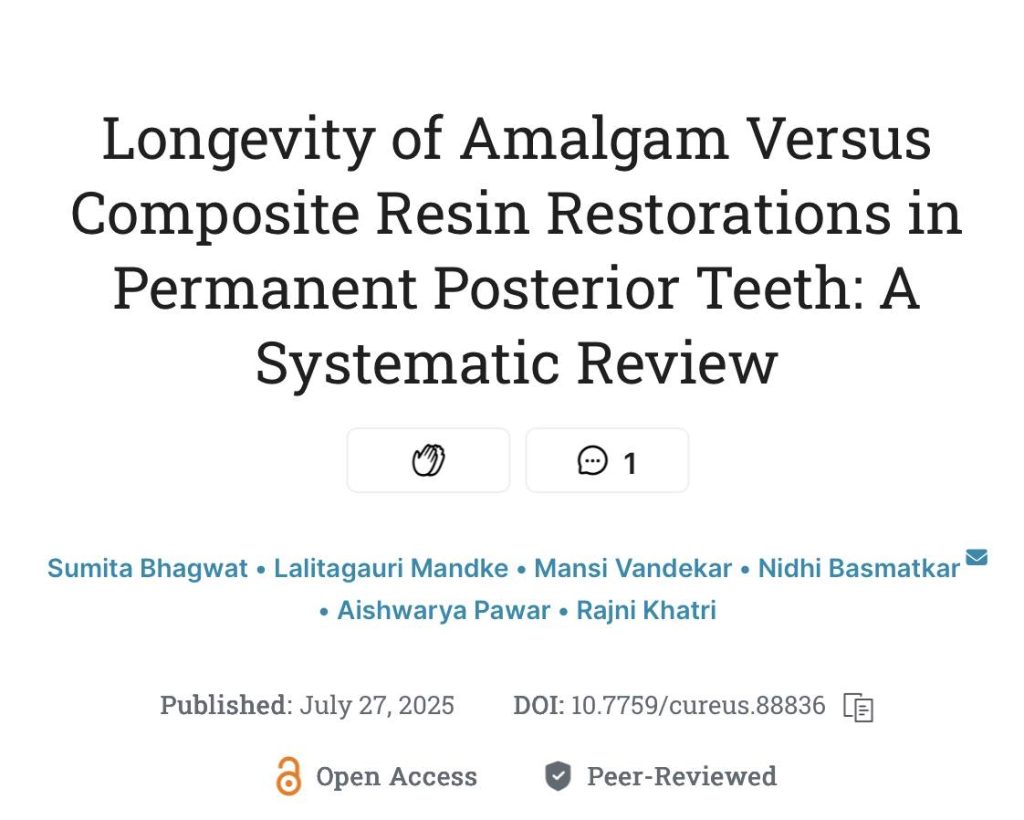
Conclusions from 2025 report above
Findings of the present systematic review highlight the superior longevity of amalgam restorations compared to composite resin restorations in posterior permanent teeth. The primary reasons for failure differ between the two materials, with secondary caries being more prevalent in composite restorations and fracture being the leading cause of amalgam restoration replacement. While patient preferences and aesthetic demands continue to drive the use of composite resins, clinicians must consider factors such as oral hygiene, occlusal forces, and restoration complexity when selecting the appropriate material. Ongoing advancements in composite resin technology and adhesive protocols may further enhance its longevity, providing a viable alternative to amalgam in the long term.
There are many options available when it comes to dental care. This video is the first in a series I produced some time ago, exploring treatments that range from minimal intervention through to more advanced solutions—though not quite as far as implants.
Unless you’re in severe pain, it’s worth taking time to consider the long-term consequences of any treatment. With your photos, dental scans, and X-rays stored securely online, you could even authorise your dentist or treatment coordinator to review your options with you when you’re not in the surgery—without the rush, and without the pressure of being surrounded by unfamiliar equipment to you and sometimes the dentist.